
IET Wiring Regulations 18th Edition Amendment 4 | Pre-order at E2GO

Anchors & Setting Tools

Choose from our selection of anchors and setting tools for fast, dependable fixings into concrete and masonry. Designed for professional use, they help ensure safe, durable installations while saving time on site.

Items 1-12 of 13

sort-descending
  • Deligo DBP8 Bossed Back Plate M8

    Product Code: DBP8

    £2.06 £1.72
  • Deligo IST12 Setting Tool M12

    Product Code: IST12

    £5.72 £4.77
  • Deligo IBSA8 Eyebolt Shield Anchor M8

    Product Code: IBSA8

    £1.18 £0.98
  • Deligo IBSA6 Eyebolt Shield Anchor M6

    Product Code: IBSA6

    £0.96 £0.80
  • Deligo IST10 Setting Tool M10

    Product Code: IST10

    £4.08 £3.40
  • Deligo IST6 Setting Tool M6

    Product Code: IST6

    £4.88 £4.07
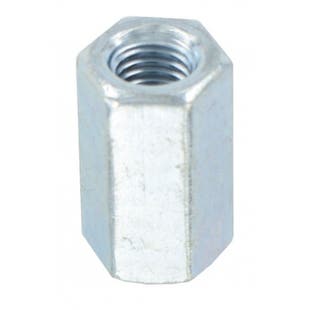
  • Deligo ISC8 Steel Studding Connector

    Product Code: ISC8

    £0.10 £0.08
  • Deligo IASM6 Wedge Anchor M6 x 25mm Steel

    Product Code: IASM6

    £0.10 £0.08
  • Deligo LDA10 Drop In Anchor Lipped M10

    Product Code: LDA10

    £0.24 £0.20
  • Deligo IBSA10 Eyebolt Shield Anchor M10

    Product Code: IBSA10

    £1.62 £1.35
  • Deligo IST8 Setting Tool M8

    Product Code: IST8

    £3.49 £2.91
  • Deligo IASM12 Wedge Anchor M12 x 50mm Steel

    Product Code: IASM12

    £0.21 £0.17

Help us stock the items you need

If there is something you require that is not on our site, simply give us a call on 01424 220384 or send us a message via our contact form and we’ll do our best to get it added to our online electrical wholesale store.


Trades Man Outside A VanTrustpilot Excellent Rating

Anchors & Setting Tools for Secure Fixing

Explore our range of anchors and setting tools designed to help you achieve reliable fixings in a variety of construction and installation tasks. Find options to match your project needs, from everyday jobs to more demanding applications.

Anchors & Setting Tools

Use the options on this page to narrow down the anchors and setting tools you need for your project. Filter the range to quickly locate products that match your installation requirements.

  • Colour filter: Helps you refine your search by finish or appearance so you can match fixings to the look of your installation.

Frequently Asked Questions

What are anchors and setting tools used for in electrical installations?

Anchors and setting tools are used to secure cables, conduits, trunking, and electrical accessories to walls, ceilings, or other surfaces, helping create a stable and tidy installation.

How do I choose the right anchor for the base material?

Start by identifying the base material, such as brick, concrete, or plasterboard, then check the product information for compatibility, load considerations, and intended applications before selecting an anchor type.

Do I need special tools to install anchors for electrical fixings?

Yes, many anchors need specific setting tools or drill sizes to install correctly. Using the correct tool helps ensure consistent expansion, proper engagement, and a secure fixing in the base material.

Can anchors be used in hollow walls and plasterboard?

Yes, certain anchor types are designed for hollow walls and plasterboard. Check that the product description mentions these applications and follow the installation guidance for that anchor design.

What drill size should I use before inserting an anchor?

The drill size usually matches the recommended diameter in the product information. Using the correct drill size helps the anchor grip effectively and reduces the risk of loose or spinning fixings.

Are plastic anchors appropriate for supporting electrical accessories?

Yes, plastic anchors are commonly used for lighter electrical accessories. For heavier items or more demanding conditions, consider alternative anchor types based on guidance in the product information.

How important is hole depth when installing anchors?

Hole depth is important, as anchors need enough space to expand or engage fully. Drilling to the recommended depth helps achieve reliable holding and reduces the risk of pull-out or damage.

Can I reuse anchors after removing a fixing?

No, most anchors are designed for single use. Once removed, they may not provide the same grip or reliability, so it is usually best to fit a new anchor in a fresh hole.

Do I need to consider corrosion resistance for anchors used outdoors?

Yes, for outdoor or damp environments, look for anchors described for those conditions. Corrosion resistance helps maintain long-term performance and reduces the likelihood of deterioration over time.

What safety precautions should I take when using setting tools?

Wear appropriate eye protection, follow the manufacturer’s instructions, and ensure the work area is clear. Check your drill and setting tools for damage before use and secure the material being drilled.

Can anchors be used close to the edge of a wall or slab?

No, placing anchors too close to edges can risk cracking or breakout. Always follow guidance on edge distances and spacing in the product information and installation notes.

How do I know if an anchor has been set correctly?

A correctly set anchor feels firm when tightened, with no spinning or movement. If it turns freely or pulls out easily, remove it, adjust your drilling, and install a new anchor.

Need help with anchors and setting tools

If you need guidance choosing anchors and setting tools for your project, our team is here to help. Call us on 01424 220384 for friendly product support and order assistance.